So you've closed on your first investment property. Congratulations, you're officially a real estate investor. Now comes the fun part: realizing your standard homeowners policy won't cut it anymore.
The moment you start collecting rent checks or list that property on Airbnb, you've crossed into a different risk category. Your insurance needs just got more complicated, and ignoring that fact is how investors end up with denied claims and six-figure out-of-pocket losses.
This guide breaks down everything you need to know about REI insurance, whether you're protecting property number one or property number five.
Here's the problem most new investors discover too late: homeowners insurance is designed for owner-occupied residences. The insurance company prices that policy assuming you live there, maintain it regularly, and have a vested interest in preventing claims.
The second you rent it out, everything changes. You're not there to catch the leaking pipe before it floods the basement. You can't prevent your tenant from hosting a party that ends in property damage. And if someone slips on your rental's icy walkway, they're suing you, not their landlord insurance policy, because they don't have one.
Most standard homeowners policies explicitly exclude coverage for rental activities. That means if your tenant's negligence causes a fire, your claim gets denied. If someone gets injured at your short-term rental, you're personally liable. The policy you thought was protecting you is actually leaving you completely exposed.
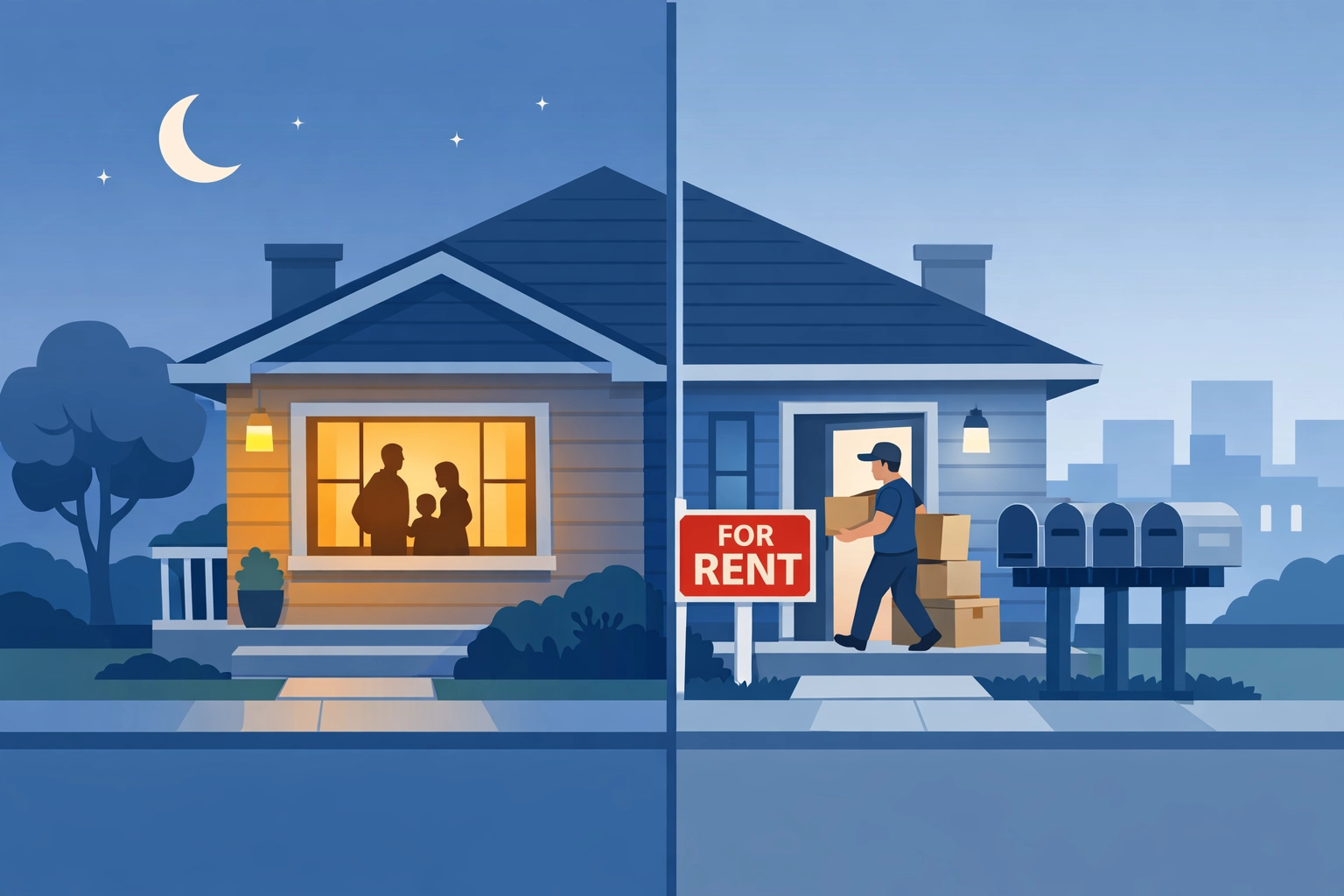
REI insurance isn't a single product, it's a combination of coverages designed to protect both your property and your personal assets. Think of it as a three-legged stool. Remove any leg, and the whole thing collapses.
This covers physical damage to your investment property from fire, windstorms, hail, theft, vandalism, and other covered perils. For rental properties, you'll typically need a landlord insurance policy (also called a dwelling fire policy or DP3) rather than a standard homeowners policy.
The critical detail here: Replacement Cost versus Actual Cash Value. Replacement cost covers what it actually costs to rebuild your property today, using current materials and labor rates. Actual cash value subtracts depreciation, meaning you get a fraction of what you need to make repairs.
Always choose replacement cost coverage. Yes, it costs more upfront. But when a fire destroys your rental and you need $200,000 to rebuild, you don't want an insurance check for $120,000 because the adjuster factored in 20 years of depreciation.
Liability protection is the insurance coverage most investors underestimate: until they're named in a lawsuit. If someone is injured on your property, you're legally responsible. A slip-and-fall, a dog bite, a balcony collapse: any of these can result in a lawsuit seeking hundreds of thousands in damages.
Your liability coverage handles two things: the legal defense costs and the settlement or judgment if you lose. Even if you're not at fault, defending yourself in court is expensive. Liability insurance covers attorney fees, court costs, and expert witnesses.
Standard landlord policies typically include $300,000 to $1 million in liability coverage. For most investors, that's not enough. Which brings us to umbrella policies.
This is the coverage investors forget about until they need it most. Also called loss of rent coverage or rental income insurance, this reimburses you for lost rental income when your property becomes uninhabitable due to a covered loss.
Let's say a kitchen fire forces your tenants to move out for three months while repairs are completed. You're still paying the mortgage, property taxes, and insurance. But you're not collecting rent. Loss of income coverage fills that gap, reimbursing you for the rental income you would have collected during that period.
Most policies cap this at 12 months of lost rent. Some investors opt for extended coverage if they're in areas prone to major disasters where rebuilding could take longer.

Not all investment properties are created equal. Your insurance requirements vary significantly based on how you're using the property and what condition it's in.
If your property sits empty between tenants: or you're holding it vacant during renovations: your standard landlord policy might not cover you. Insurance companies view vacant properties as higher risk because there's nobody there to notice problems before they escalate.
A small pipe leak becomes a flooded basement. A break-in goes undetected for weeks. Vacant property insurance addresses these risks with specialized coverage designed for unoccupied buildings. Some policies require regular inspections or winterization procedures to maintain coverage.
Don't confuse "vacant" with "unoccupied." Vacant means the property is empty with no furnishings or tenant belongings. Unoccupied means your tenant is temporarily away but their stuff is still there. The distinction matters for coverage purposes.
If you're running a short-term rental, your risks multiply. You have a constant rotation of strangers staying in your property, higher liability exposure, and potential for more frequent property damage. Standard landlord policies specifically exclude short-term rental activities.
You need a policy designed for STR operations that covers:
Some carriers offer endorsements you can add to a landlord policy. Others require a completely separate commercial policy. Either way, don't try to hide your STR activity from your insurance company: that's grounds for claim denial and policy cancellation.

Buying a fixer-upper? You'll need builder's risk insurance during the renovation period. This temporary policy covers the property while it's under construction, protecting against theft of materials, vandalism, and damage during the build.
Standard landlord policies don't cover properties undergoing major renovations. The risk profile is too different. Builder's risk fills that gap until the project is complete and you can transition back to a regular landlord policy.
Think of an umbrella policy as overflow protection for your liability coverage. Once your landlord policy's liability limit is exhausted, the umbrella kicks in.
Here's why that matters: If someone is seriously injured on your property and sues for $3 million, and your landlord policy only covers $1 million, you're personally on the hook for the remaining $2 million. Your personal assets: your home, savings, future earnings: are all at risk.
An umbrella policy provides an additional $1-5 million (or more) in liability coverage for a relatively small premium. For most investors with any significant assets to protect, this is non-negotiable insurance coverage.
Even experienced investors make these insurance mistakes. Avoid them.
Assuming your tenants have renters insurance. They should, but you can't control whether they actually maintain coverage. Require proof of renters insurance and add yourself as an additional insured on their policy. This ensures their insurance responds first if they cause damage.
Forgetting to update occupancy status. If you convert a long-term rental to a short-term rental or vice versa, notify your insurance company immediately. Operating under the wrong policy type voids your coverage.
Buying based solely on price. The cheapest policy is worthless if it doesn't cover the losses you actually face. Focus on adequate coverage limits and appropriate coverage types for your specific situation.
Ignoring flood and earthquake coverage. Standard policies exclude these perils. If you're in a flood zone or seismically active area, you need separate policies. "It's never flooded before" is not a risk management strategy.
Not updating coverage as property values increase. That $250,000 coverage limit you bought five years ago might not be enough to rebuild your property at today's construction costs. Review and adjust your coverage limits annually.
Your first step is finding an insurance provider who understands investment properties. Not all agents are created equal. RealAssure specializes in residential investor insurance, with policies designed specifically for landlords, STR operators, and property investors.
Start by gathering information about your properties:
Request quotes that include all three core coverages: property, liability, and loss of income. Compare not just premiums, but coverage limits, deductibles, and exclusions. Ask about endorsements for specific situations like short-term rentals or renovation work.
And remember: adequate insurance isn't an expense; it's the cost of staying in business. One uncovered loss can wipe out years of rental income and put your entire portfolio at risk.
Your investment property represents significant capital. Protecting it with proper REI insurance isn't optional; it's the difference between building long-term wealth and losing everything in a single claim.