Hey there! Quick update for you:
Monday, Feb 2nd (9 AM): "Looking For REI Insurance? Here Are 10 Things Every Real Estate Investor Should Know" – covers the essentials for residential investors getting started with proper coverage.
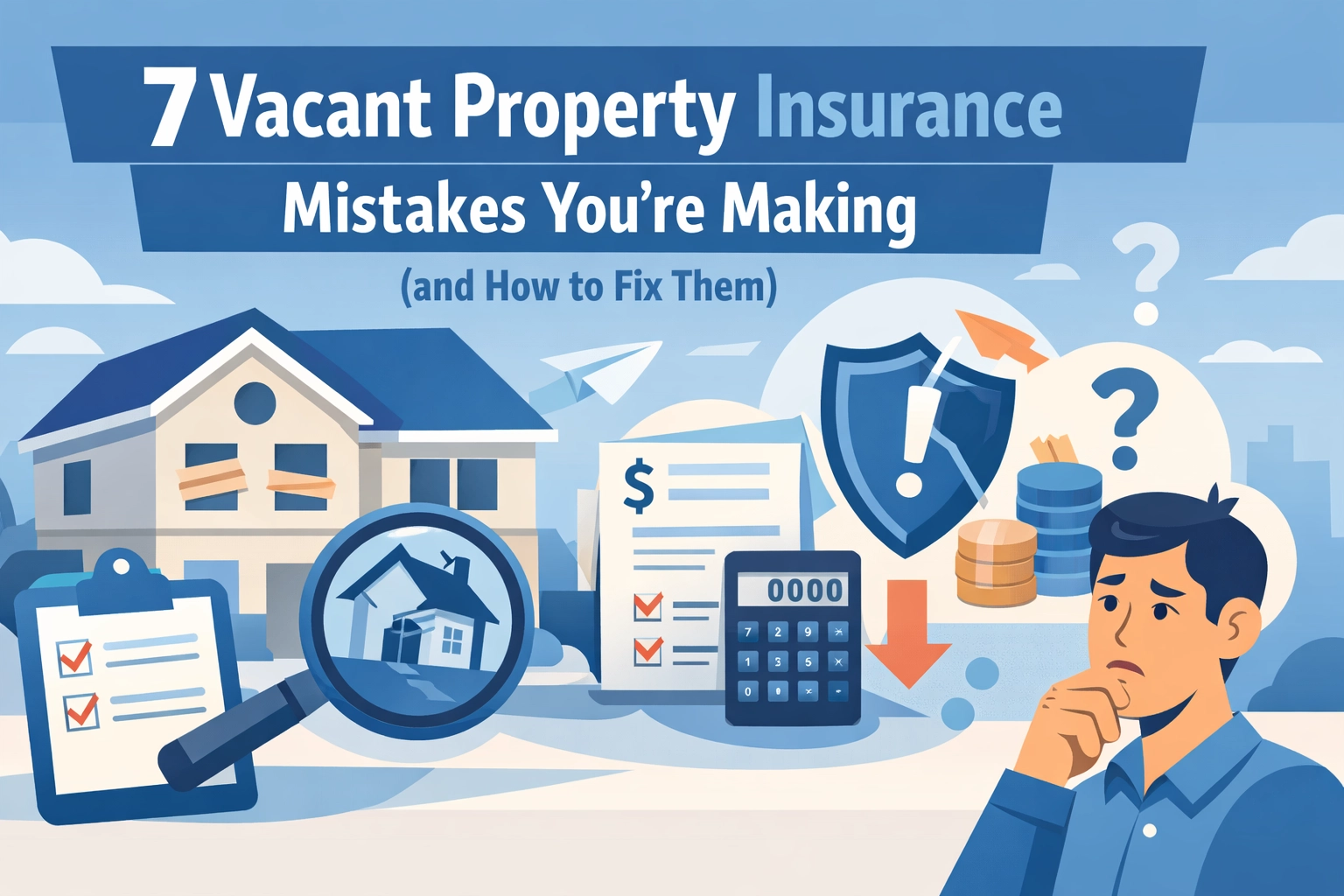
Thursday, Feb 5th: "7 Vacant Property Insurance Mistakes You're Making (and How to Fix Them)" – I'm writing this one now, should be ready to schedule later today.
Both are geared toward our residential investor audience, so perfect for LinkedIn! I'll ping you once Thursday's post is scheduled so you can finalize the promo copy. 🎯
Vacant properties carry unique risks. Unfortunately, many real estate investors discover their coverage gaps only after filing a claim. By then, it's too late.
Whether you're renovating a flip, waiting for a tenant, or holding a property between sales, understanding vacant property insurance can save you from costly mistakes. Let's break down the seven most common errors, and how to fix them.
Here's a scenario that plays out constantly: You close on a property Friday afternoon. The previous owner moved out weeks ago. You plan to start renovations Monday morning.
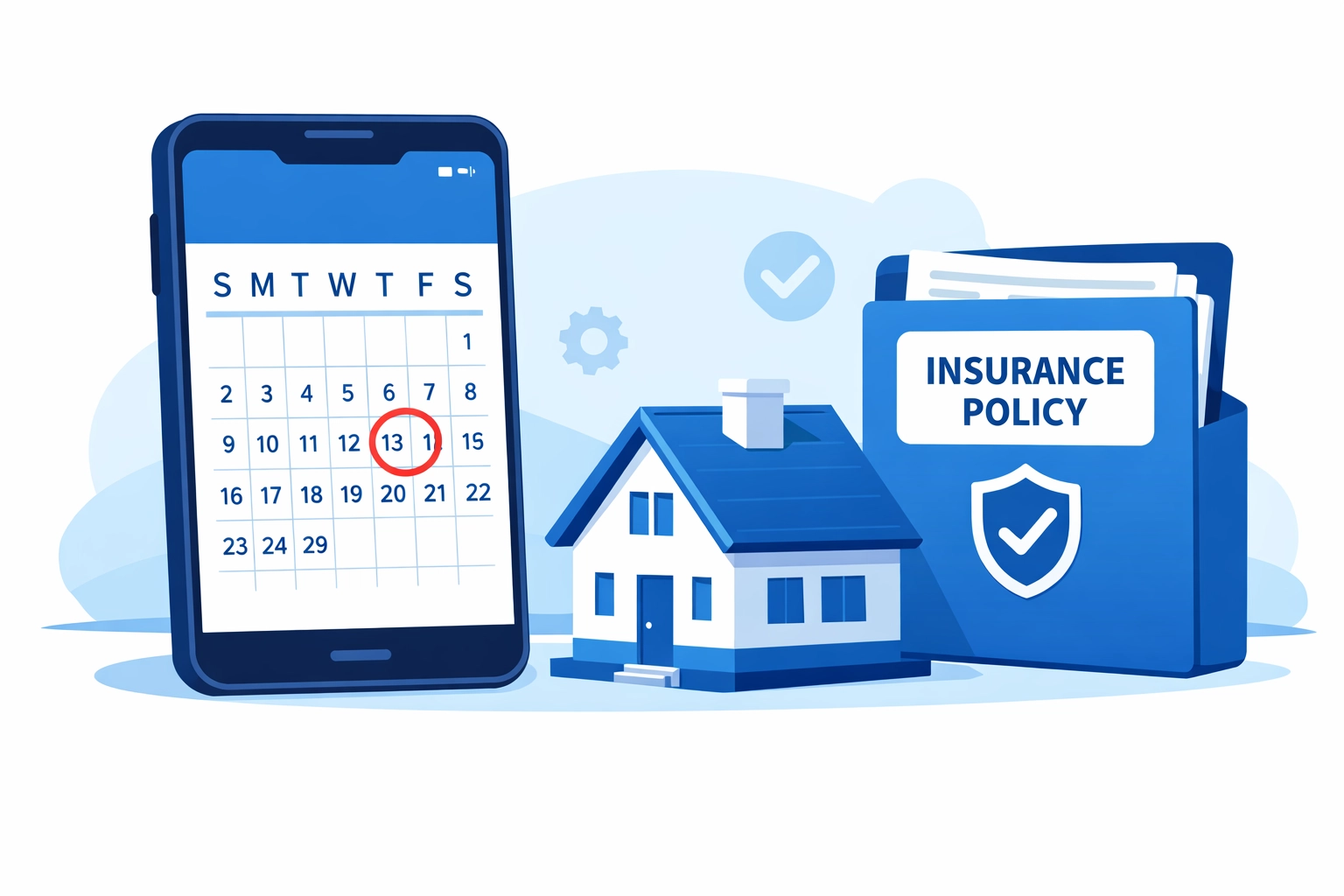
Meanwhile, your standard landlord policy quietly excludes coverage after 30-60 days of vacancy.
🚫 The Problem: Most homeowners and landlord policies contain vacancy clauses that suspend or severely limit coverage once a property sits empty beyond a specific timeframe. Insurance companies view vacant buildings as high-risk because there's no one present to notice problems early, like a burst pipe, break-in, or fire.
✅ The Fix: Contact your insurance agent before a property becomes vacant. Give yourself lead time to secure proper coverage. A specialized vacant property insurance policy fills the gap between standard policies and unique vacancy risks. Additionally, insurers can guide you on whether a short-term endorsement or full vacant dwelling policy makes more sense for your timeline.
In Florida, where properties can sit empty during hurricane season or lengthy permitting processes, this proactive step is critical.
This might be the costliest assumption in real estate investing.
Standard policies are designed for occupied properties. Once occupancy changes, coverage terms shift dramatically, often without the policyholder realizing it.
🚫 The Problem: Your existing policy might continue charging premiums even after coverage has lapsed due to vacancy. You're paying for protection that doesn't exist. Worse, when you file a claim, the insurer will investigate occupancy status. If they determine the property was vacant beyond the policy's limit, your claim gets denied.
✅ The Fix: Read your policy's vacancy clause carefully. Then discuss your plans with your agent. Many investors need a dedicated vacant property insurance policy that's specifically written for empty buildings. These policies acknowledge the property is vacant and price coverage accordingly, but they actually pay claims when something goes wrong.
For Broward County investors dealing with properties in transition, this distinction matters enormously. Between tenant turnover, renovation delays, and seasonal market fluctuations, vacancies happen. Make sure your coverage reflects reality.
Budget-conscious investors sometimes opt for the cheapest coverage available. That decision backfires when disaster strikes.
🚫 The Problem: Actual Cash Value (ACV) policies pay out based on depreciated value. If your vacant property suffers major damage, you'll receive far less than what it costs to rebuild. Simultaneously, some investors underestimate replacement costs entirely, leaving significant gaps between coverage limits and actual rebuild expenses.
✅ The Fix: Choose Replacement Cost coverage for vacant properties you plan to renovate or resell. Yes, premiums run higher. However, adequate coverage protects your investment fully. Work with your agent to calculate accurate replacement costs: factor in current construction prices, which have risen significantly in recent years.
For South Florida properties, remember that rebuilding costs include meeting current building codes, which are substantially more stringent than older structures. Underinsuring here can be financially devastating.
Vacant buildings attract unwanted attention. Empty properties become targets for theft, vandalism, and even squatters: particularly in urban areas.
🚫 The Problem: Some vacant property insurance policies exclude vandalism and theft unless you meet specific protective requirements. Others offer this coverage but only if you've installed required security measures. Failing to understand or implement these safeguards can void your protection entirely.
✅ The Fix: First, confirm your policy includes vandalism and theft coverage. Then, understand what protective safeguards the insurer requires. Common requirements include:
In Broward County, where property crime rates fluctuate by neighborhood, these measures aren't just insurance requirements: they're practical risk management. Consider hiring a property management company if you can't inspect the property regularly yourself.
You're flipping a house. Contractors are gutting the interior. You assume your vacant property insurance covers the work.
It probably doesn't.
🚫 The Problem: Vacant property insurance and builder's risk insurance serve different purposes. A vacant dwelling policy covers an empty building sitting idle. Builder's risk insurance covers properties actively under construction or major renovation. Using the wrong policy type: or failing to disclose contractor activity: can result in denied claims if something goes wrong during the project.
✅ The Fix: Be transparent with your insurance agent about your plans. If you're conducting renovations, you likely need builder's risk insurance instead of (or in addition to) vacant property insurance. Builder's risk policies cover materials on-site, contractor liability, and construction-related damages.
For investors managing multiple fix-and-flip projects simultaneously, establishing a relationship with an agent who specializes in real estate investor insurance simplifies this process significantly. They'll know which policy fits each phase of your project timeline.

Even vacant properties see foot traffic. Real estate agents conduct showings. Inspectors evaluate systems. Contractors assess renovation scope. Each visitor represents potential liability exposure.
🚫 The Problem: If someone gets injured on your vacant property: tripping on damaged flooring, falling through rotted decking, or encountering other hazards: you're liable. Without proper liability coverage, you're personally exposed to lawsuit costs and settlement payments.
✅ The Fix: Ensure your vacant property insurance includes adequate liability limits. Most policies offer at least $300,000 in personal liability coverage, with $1 million available for minimal additional premium. Given lawsuit settlement amounts, higher limits provide better protection.
Before allowing anyone on the property, address obvious hazards. Document the property's condition with photos and video. Consider requiring visitors to sign liability waivers, though these don't replace insurance: they simply add another layer of protection.
Florida's premises liability laws hold property owners to specific standards of care. Don't assume "buyer beware" protects you.
Vacant property insurance isn't just about physical damage. Revenue loss and ongoing property maintenance matter too.
🚫 The Problem: When covered damage occurs, repairs take time. If the property was generating (or about to generate) rental income, you're losing money during the repair period. Meanwhile, failing to maintain utilities during vacancy can lead to frozen pipes, mold growth from humidity, and other preventable damage: which insurers may not cover if you've neglected basic maintenance.
✅ The Fix: Consider adding loss of rent coverage to your vacant property insurance policy. This endorsement compensates you for lost rental income during the repair period following a covered loss.
For property maintenance, develop a vacancy protocol:
In South Florida's climate, air conditioning isn't just comfort: it's mold prevention. Keeping climate control operational protects your investment from humidity-related damage.

Before your property becomes vacant, review this checklist:
Coverage Review:
Property Security:
Maintenance Protocol:
Insurance Communication:
Vacant property insurance mistakes are preventable. The key is understanding the risks before they become claims.
Whether you're managing a single flip or a portfolio of investment properties, proper coverage protects your financial interests. Don't let a coverage gap derail your real estate investing strategy.
Ready to secure proper vacant property insurance? RealAssure specializes in insurance solutions for real estate investors. Our team understands the unique challenges of vacant properties in Florida's market.
Get your free quote today and protect your investment with coverage that actually works when you need it.