Scaling from single-family rentals to multifamily properties isn't just a bigger deal: it's a fundamentally different insurance game. Once you cross into 5+ units, you're playing in the commercial space, and that means lender requirements get stricter, liability exposure multiplies, and coverage gaps that seemed manageable on a duplex can cost you six figures on an apartment building.
Most investors find the perfect multifamily deal, lock in financing, and then scramble to figure out insurance requirements 72 hours before closing. That's backward. The time to review coverage is during due diligence: before you're locked into a purchase agreement and before your lender starts dictating terms you didn't budget for.
Here are the five critical insurance items you need to review before your next commercial multifamily acquisition.
Your commercial property insurance protects the physical structures, but how that coverage is structured matters more than most investors realize.
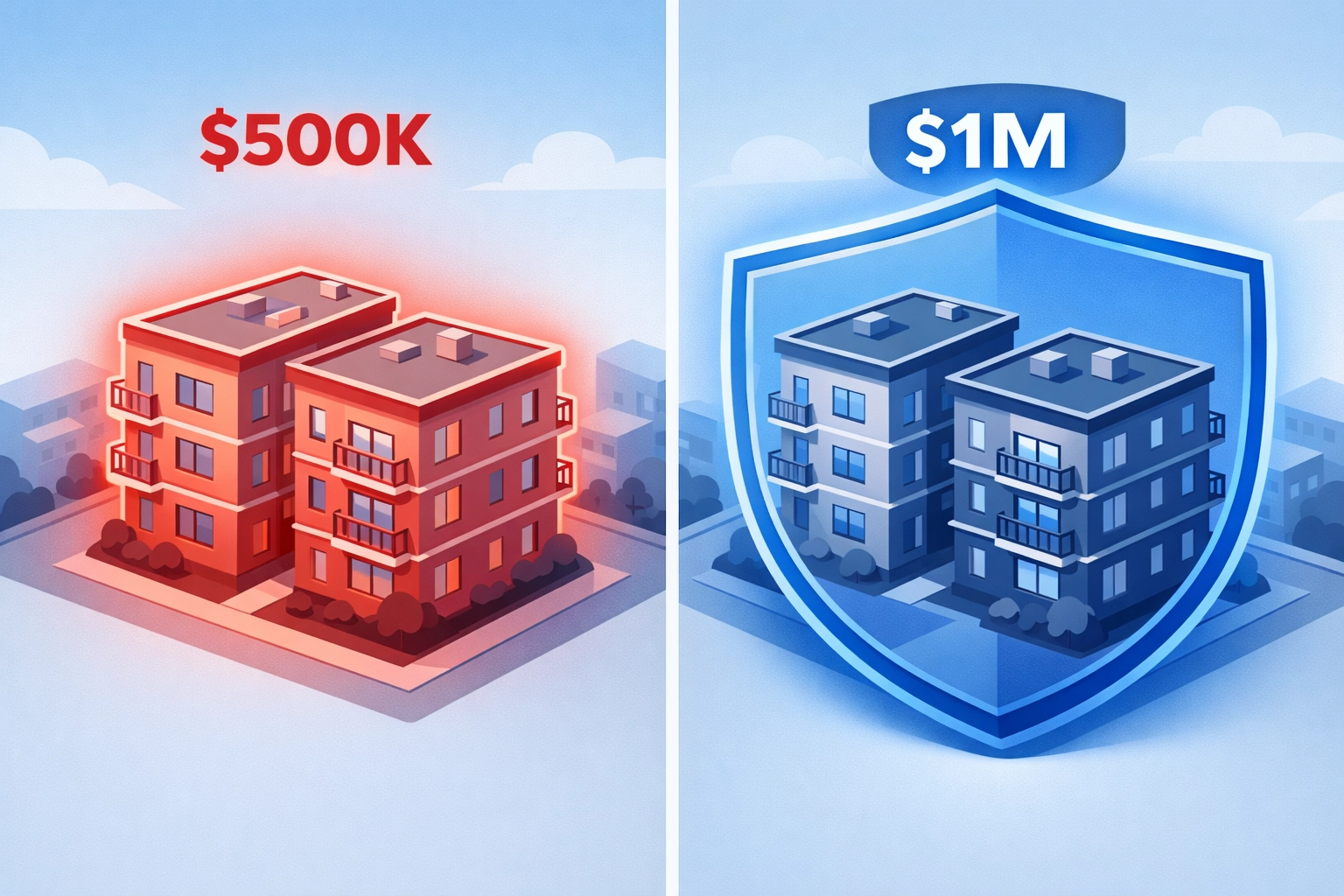
Per-building coverage assigns a specific coverage limit to each individual building on the property. If Building A is insured for $500,000 and it burns down completely, you get $500,000: but if Building B also sustains damage in the same event, you're capped at its separate limit.
Blanket coverage pools the total insured value across all buildings. This means the full policy limit can apply to any building or combination of buildings damaged in a single event. For properties with multiple structures, blanket coverage typically provides better protection and more flexibility.
Most lenders require replacement cost coverage, not actual cash value (ACV). Replacement cost pays to rebuild without depreciation deductions. ACV factors in age and wear, which can leave you severely underfunded during reconstruction. Confirm your policy specifies replacement cost before you close.
Also verify what's included beyond the buildings themselves. Commercial policies should cover:
If these aren't explicitly listed, your coverage may be incomplete.
This is non-negotiable. Nearly every commercial lender requires loss of rental income coverage as a condition of financing, and for good reason: it's the only thing protecting your debt service when a covered loss forces tenants out.
Loss of rental income insurance replaces the rent you would have collected while the property undergoes repairs following a covered event like fire, storm damage, or vandalism. Without it, you're still making mortgage payments, covering ongoing expenses, and possibly paying alternative housing costs for displaced tenants: all with zero rental income.
Key details to review:
If your policy doesn't include adequate loss of rental income coverage, renegotiate before closing. Lenders can and will reject insufficient coverage amounts.
This is the coverage most investors don't know they need until it's too late.
When a building suffers substantial damage (typically 50% or more of its value), local building codes often require the entire structure to be brought up to current standards: not just rebuilt as it was. That can mean:
Standard commercial property insurance covers the cost to rebuild what was damaged. It does not cover the additional cost to comply with newer building codes. That's where ordinance or law coverage comes in.

This coverage typically includes three components:
For older multifamily properties, the gap between "rebuild as-was" and "rebuild to current code" can run into hundreds of thousands of dollars. If you're acquiring a property built before 1980, ordinance or law coverage isn't optional: it's essential.
Many commercial policies include limited ordinance or law coverage (10-25% of the property limit), but that's rarely enough for substantial damage scenarios. Budget for higher limits, especially in municipalities with strict retrofit requirements.
Multifamily properties are liability magnets. More units mean more tenants, more foot traffic, more maintenance exposure, and more opportunities for slip-and-fall claims, injury lawsuits, and third-party property damage suits.
Standard commercial general liability (CGL) policies typically provide $1,000,000 per occurrence and $2,000,000 aggregate. That sounds like a lot until you're facing a serious bodily injury claim from a tenant who fell down improperly maintained stairs or a child who was injured on the playground.
Review your liability structure carefully:
For properties with significant liability exposure: those with pools, playgrounds, gyms, or multiple buildings: consider adding commercial umbrella liability coverage. This sits above your primary CGL policy and provides additional limits (typically $1M-$5M) after your underlying coverage is exhausted.
Umbrella policies are relatively inexpensive compared to the protection they provide. For most multifamily investors, the cost is justified by the risk reduction alone.
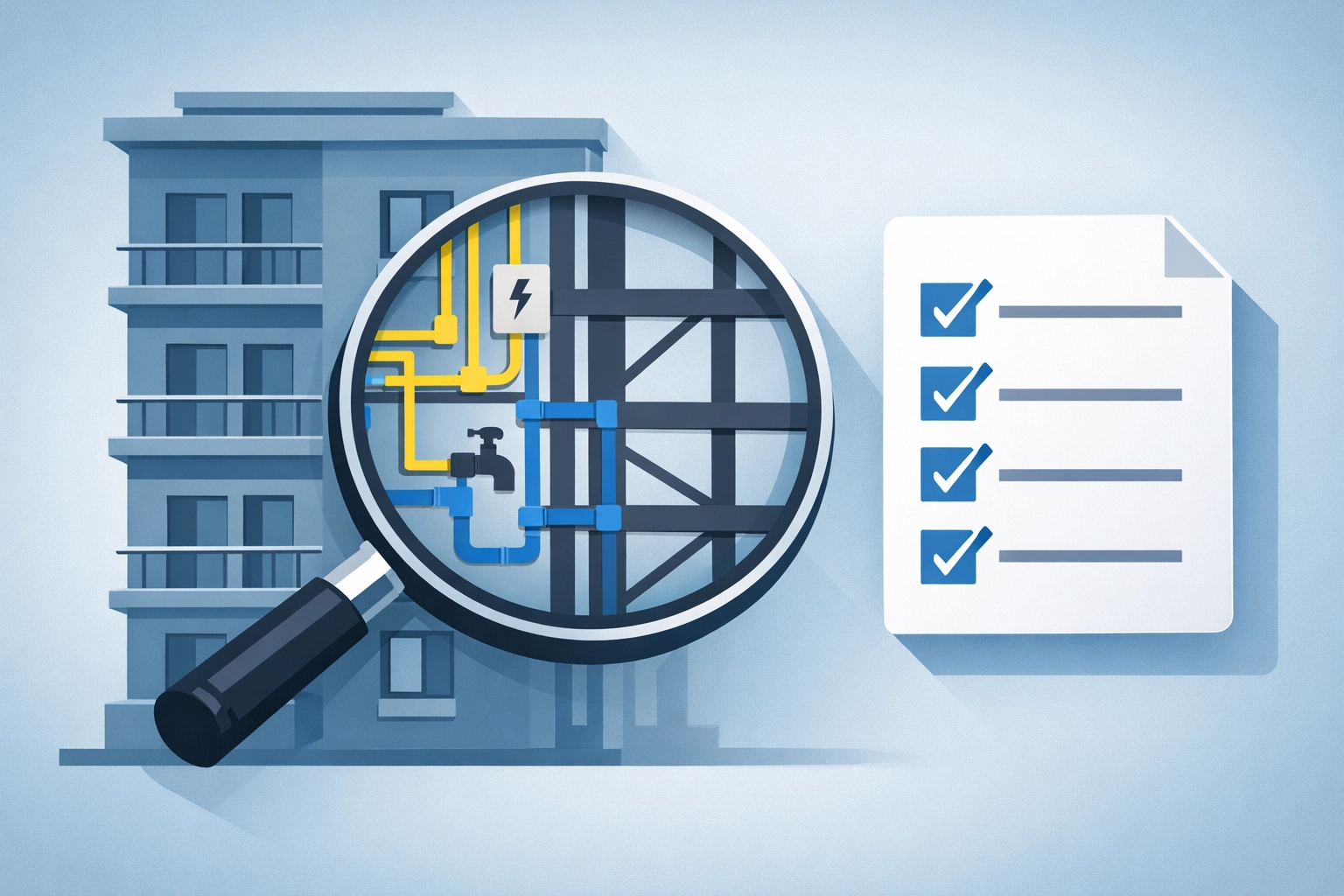
Before you close, request at least five years of loss runs from the seller. Loss runs are detailed records of every insurance claim filed on the property, including:
This documentation reveals patterns you need to know about before you own the property. Multiple water damage claims suggest chronic plumbing issues. Repeated liability claims may indicate deferred maintenance or unsafe conditions. High-frequency claims drive up your insurance premiums: sometimes dramatically.
Insurance carriers use loss history to underwrite new policies. If the property has a terrible claims record, you may face:
Review the loss runs during due diligence. If the history is problematic, you can negotiate repairs, price reductions, or seller-funded reserves to address the underlying issues before they become your problem.
Also confirm the seller has lender's loss payable endorsements in place if there's existing financing, and verify there are no co-insurance clauses that could penalize you for underinsuring the property.
Multifamily insurance isn't something you can copy-paste from your single-family rental playbook. The stakes are higher, the coverage requirements are more complex, and the financial consequences of getting it wrong are severe.
Start your insurance review during the due diligence period: not three days before closing. Work with a broker who specializes in commercial real estate investment properties, not a general agent who primarily handles homeowners policies. And budget realistically. Commercial multifamily insurance costs more than residential DP3 policies, and trying to cut corners on coverage will backfire the moment you have a claim.
Get these five items right, and you'll close with confidence knowing your investment is properly protected and your lender requirements are fully satisfied.
Need specialized multifamily insurance for your next acquisition? RealAssure works exclusively with real estate investors and understands the coverage requirements that matter for your portfolio.